
What to Do in the First Hour of Water Damage: Birmingham’s Essential Cleanup Guide
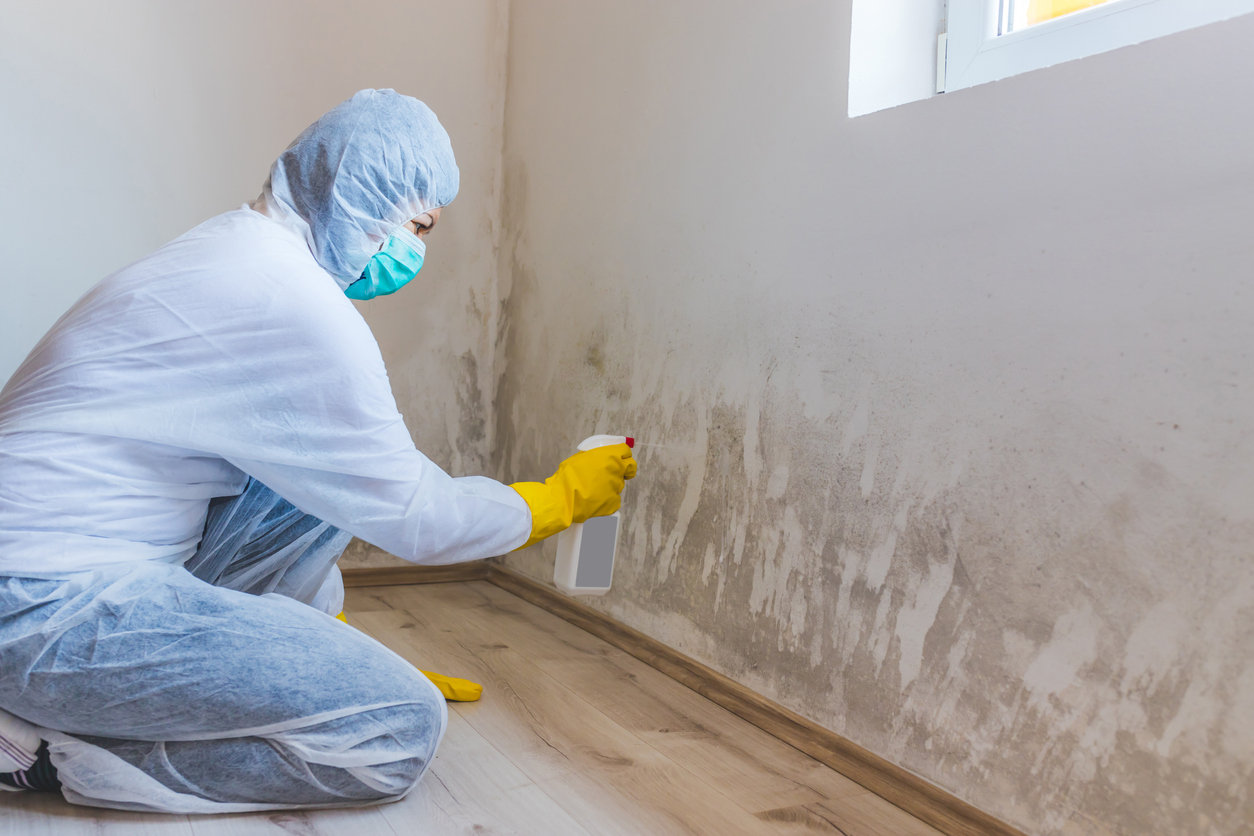 Water damage can strike unexpectedly, leaving homeowners in a state of panic. Whether it's a burst pipe or heavy rainfall, knowing what to do in the first hour is crucial to minimising damage. This guide provides essential steps for emergency water damage restoration in Birmingham, helping you protect your home and belongings.
Assess the Situation and Ensure Safety during Water Damage in Birmingham
When water damage strikes, whether from a burst pipe, heavy rain, or a malfunctioning appliance, the first step is to assess the situation. In Birmingham, AL, where humidity levels can exacerbate water-related issues, knowing how to handle the aftermath of water damage is crucial. Here’s a detailed guide to help you navigate water damage restoration challenging situation while ensuring safety.
Initial Assessment
The moment you notice water damage, your instinct might be to rush in and start cleaning up. However, take a moment to assess the situation first. Here’s what to do:
1. Identify the Source of Water: Determine where the water is coming from. Is it a leak from a roof, a burst pipe, or flooding from heavy rain? Knowing the source helps in planning your next steps and preventing further damage.
2. Evaluate the Extent of Damage: Look around to see how much area is affected. Check walls, floors, and ceilings. If you notice significant pooling water or structural damage, it’s essential to act quickly.
3. Check for Electrical Hazards: Water and electricity don’t mix. Before entering any area with standing water, ensure that the power is turned off at the circuit breaker. If you’re unsure or uncomfortable, it’s best to call a professional.
Prioritize Safety
Safety should always be your top priority during a water damage situation. Here are some key safety tips to keep in mind:
Wear Protective Gear: If you’re dealing with contaminated water (like sewage backup), wear gloves, boots, and a mask to protect yourself from harmful bacteria and chemicals.
Be Aware of Structural Integrity: If the water damage is severe, the structural integrity of your home may be compromised. Look for sagging ceilings, warped walls, or unstable floors. If you see any of these signs, evacuate the area and call a professional for help.
Ventilate the Area: If it’s safe to do so, open windows and doors to allow fresh air to circulate. This helps reduce humidity and prevents mold growth, which can start within 24-48 hours after water exposure.
Document the Damage
Once you’ve ensured safety, document the damage for insurance purposes. Take clear photos of affected areas, including:
Water-stained walls and ceilings
Damaged flooring
Personal belongings that have been affected
This documentation will be invaluable when filing a claim with your insurance company.
Stopping the Source to Prevent Further Water Damage in Birmingham
Water damage can be a homeowner's worst nightmare. Whether it’s from a burst pipe, a leaky roof, or flooding, the consequences can be severe. In Birmingham, AL, where heavy rains can lead to unexpected water issues, knowing how to stop the source of water damage is crucial. This not only preserves your property but also safeguards your health. Let's dive into effective strategies to tackle this problem and ensure your home remains safe and dry.
Understanding Water Damage Sources
To effectively prevent further water damage, you first need to identify the sources. Common culprits include:
Leaking Pipes: Old or damaged plumbing can lead to leaks that gradually cause significant damage.
Roof Issues: Missing shingles or damaged flashing can let water seep into your home during rainstorms.
Basement Flooding: Heavy rains can overwhelm drainage systems, leading to water pooling in your basement.
Appliance Failures: Washing machines, dishwashers, and water heaters can malfunction and cause leaks.
Recognizing these sources is the first step in stopping water damage before it escalates.
Immediate Steps to Take
When you discover water damage, acting quickly is essential. Here’s what you can do:
1. Shut Off the Water Supply: If you suspect a pipe is leaking, locate the main water shut-off valve and turn it off. This will prevent more water from entering your home.
2. Assess the Damage: Once the water is off, assess the extent of the damage. Look for wet spots, mold growth, and structural issues. This will help you understand what needs immediate attention.
3. Remove Standing Water: Use a wet/dry vacuum or mop to remove any standing water. The longer water sits, the more damage it can cause. If it's a significant amount, consider calling professionals who specialize in water damage restoration.
4. Dry the Area: Open windows and doors to promote airflow. Use fans and dehumidifiers to speed up the drying process. This is crucial in preventing mold growth, which can develop within 24 to 48 hours of water exposure.
5. Inspect and Repair: Once the area is dry, inspect for any damage that needs repair. This could involve patching drywall, replacing flooring, or fixing plumbing issues. If you’re unsure, it’s wise to consult with a professional restoration service like Leak Pros.
Long-Term Prevention Strategies
Stopping water damage is not just about immediate action; it’s also about preventing future issues. Here are some strategies to consider:
Regular Maintenance: Schedule routine inspections of your plumbing, roof, and appliances. Catching small issues before they become big problems can save you time and money.
Install a Sump Pump: If you live in an area prone to flooding, a sump pump can be a lifesaver. It helps remove water from your basement and prevents flooding.
Seal Windows and Doors: Properly sealing windows and doors can prevent rainwater from entering your home. Check for gaps and apply weather stripping as needed.
Gutter Maintenance: Clean your gutters regularly to ensure water flows away from your home. Clogged gutters can lead to overflow and water damage.
Invest in Water Alarms: These alarms can alert you to leaks before they cause significant damage. Placing them near appliances and in basements can provide peace of mind.
Water damage can be overwhelming, but taking the right steps can make a significant difference. By identifying the source of the problem, acting quickly, and implementing preventive measures, you can protect your home and your health. If you find yourself facing water damage in Birmingham, don’t hesitate to reach out to Leak Pros. We’re here to help you restore your property and provide peace of mind.
Removing Standing Water Quickly to Reduce Structural Risk During Water Damage in Birmingham
Dealing with water damage is a daunting task, especially when it comes to standing water. If you’re a homeowner or property manager in Birmingham, AL, understanding how to handle this situation effectively can save you time, money, and stress. When water accumulates in your property, it can compromise the structural integrity of your home or business, leading to costly repairs and health risks. Let’s dive into the importance of prompt action and the steps you can take to mitigate damage.
Why Quick Action is Crucial: Standing water can lead to a range of issues, including mold growth, structural damage, and pest infestations.
Steps to Remove Standing Water: Once you've assessed the situation and ensured your safety, it’s time to tackle the standing water.
Conclusion
Taking immediate action during the first hour of water damage can make a world of difference. By assessing the situation, starting the cleanup process, and contacting professionals, you can protect your home from long-term damage. Remember, in Birmingham, you have trusted partners like Leak Pros ready to help you through the restoration process.