
Types of Mold Testing Methods: Air vs Surface Testing
 What if the most important mold problem in your home is the one you cannot see? A faint musty smell, a recently repaired leak, or recurring moisture in the same area can all point to hidden mold activity long before visible growth appears. For many Alabama homeowners, knowing where to look is only part of the challenge; knowing how to test for it is equally important.
That's where professional mold testing and remediation come in. Different testing methods reveal different types of information, and choosing the right one can lead to faster, more accurate solutions.
In this guide, we'll compare air testing and surface testing, explore when each is used, and help you determine which option best fits your home's specific conditions in Alabama.
Types of Mold Testing Methods: Understanding Air Testing vs Surface Testing
For homeowners in Alabama, mold concerns often develop after humidity exposure, roof leaks, plumbing issues, or storm-related water damage. When mold is suspected, choosing the right testing approach is an important first step. Among the various mold testing methods, air and surface testing are the two most commonly used. Each serves a different purpose and provides different insights into the condition of a home.
How Does Air Mold Testing Identify Indoor Mold Concerns?
Air mold testing measures the concentration of mold spores present in indoor air. Samples are collected from different areas of a property and compared to outdoor conditions.
This method is particularly useful when Alabama homeowners notice musty odors, experience indoor air quality concerns, or suspect mold growth behind walls, ceilings, or flooring where it cannot be seen directly.
How Does Surface Mold Testing Confirm Mold Growth?
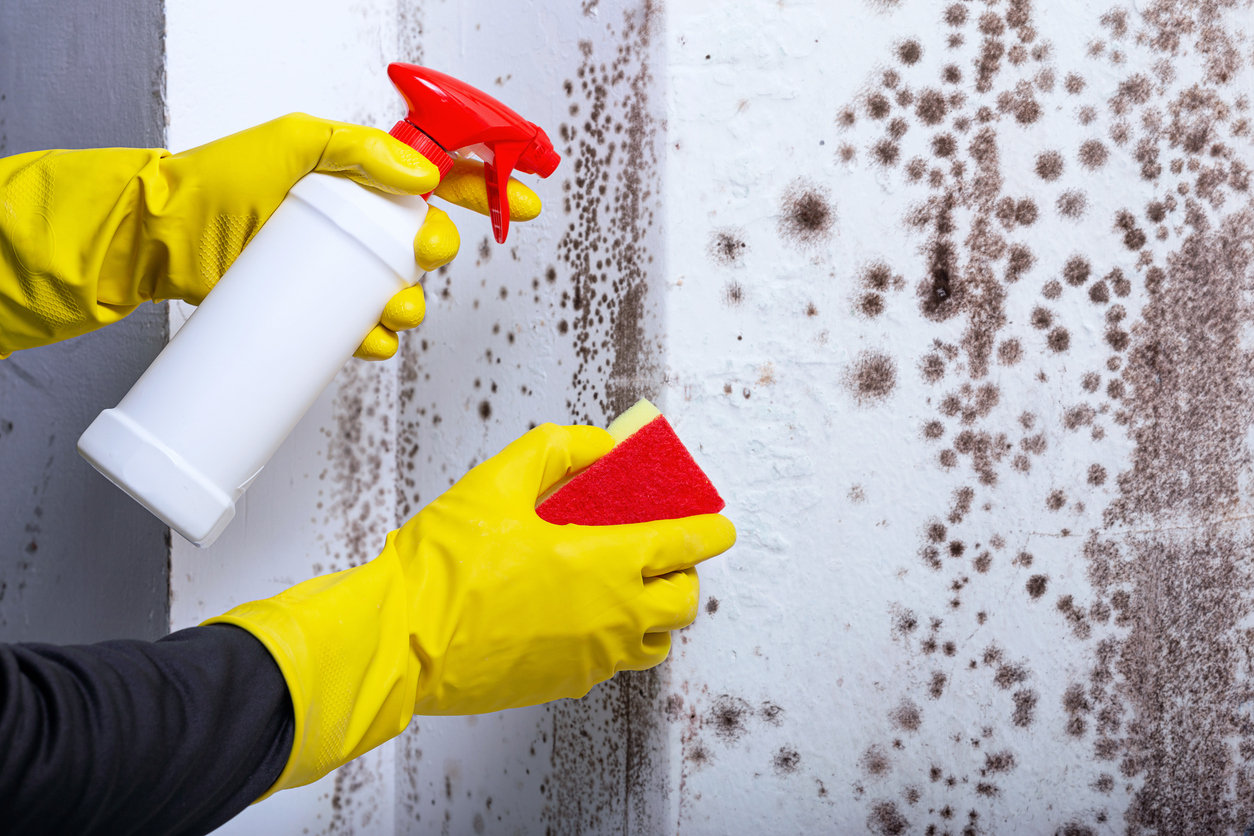
Surface testing is used when visible discoloration or suspected mold growth appears on a material. Samples may be collected from walls, ceilings, wood, insulation, or other affected surfaces.
The testing process helps identify whether mold is present and may determine the type of mold affecting the material. Surface testing is often used to verify contamination before remediation work begins.
What Are the Strengths and Limitations of Each Testing Method?
Air testing provides insight into airborne mold exposure and can help detect hidden mold issues that are not immediately visible. However, it may not identify the exact location of mold growth.
Surface testing provides direct evidence of mold on a specific material but only evaluates the sampled area. It does not provide a complete picture of mold conditions throughout the property.
Which Testing Method Is More Effective for Hidden Mold Issues?
When mold is suspected but not visible, air testing is often the preferred option. Elevated spore levels can indicate hidden contamination behind building materials or within enclosed spaces.
For Alabama homes where moisture problems frequently occur due to humidity and seasonal storms, air testing can provide valuable information about concealed mold activity.
How Do Professionals Choose Between Air and Surface Testing?
Professional evaluators consider visible conditions, moisture history, property layout, and homeowner concerns before selecting a testing approach. In some cases, both methods are used together to provide a more complete assessment.
Understanding the types of mold testing methods available helps Alabama homeowners make informed decisions. Experienced mold inspection services can determine whether air testing, surface testing, or a combination of both will provide the most accurate picture of mold conditions within the home.
Not sure which mold testing method is right for your Alabama home? Reach out to Leak Pros today for professional mold evaluation and remediation. Our specialists use advanced detection technology, proven containment protocols, and safe treatment solutions to identify mold issues accurately and help prevent future growth.
Choosing Between Types of Mold Testing Methods Based on Your Home’s Situation
Not every mold concern looks the same, which means the best testing approach can vary depending on the circumstances. For homeowners in Alabama, factors such as humidity, storm-related moisture, renovation projects, and property maintenance goals often influence decisions.
Understanding the types of mold testing methods available can help ensure that testing aligns with the specific reason an evaluation is being performed.
Scenario: You Recently Completed Home Renovations
If your renovation project uncovered water-damaged materials or areas with suspicious discoloration, then the choice between air testing and surface testing depends on the condition being evaluated.
Air testing may be useful when homeowners want to determine whether mold spores are circulating throughout the indoor environment after construction activities. Renovations can disturb hidden mold growth, allowing spores to become airborne even when no visible contamination remains.
Surface testing may be more appropriate when visible staining or suspected mold growth is present on exposed building materials. Samples collected from surfaces can help confirm whether mold is present and support decisions about further remediation.
Scenario: You Want a Baseline Assessment of Your Home
If your goal is to understand current indoor conditions before problems arise, then air testing is often the preferred option.
Air testing provides information about the concentration of mold spores within the Alabama home and can serve as a useful benchmark for future comparisons. Surface testing is generally less valuable for baseline assessments unless visible growth already exists.
Scenario: A Previously Remediated Area Needs Verification
If mold remediation has been completed, then both air testing and surface testing may play a role depending on the situation.
Air testing can help evaluate whether airborne mold spore levels have returned to normal conditions. Surface testing may be used to confirm that treated materials no longer show signs of active mold growth.
Scenario: A Vacation Home Has Been Vacant for an Extended Period
If a home has been unoccupied for months, then air testing may help identify indoor environmental concerns that developed during the vacancy period.
However, if visible discoloration or staining appears on walls, ceilings, or other materials, surface testing can provide direct confirmation of mold growth in those specific locations.
Scenario: You Need Documentation After Water Damage
If flooding, leaks, or storm damage affected the property, then the approach often depends on what investigators are trying to document.
Air testing helps evaluate overall indoor conditions following the event, while surface testing helps identify mold growth on specific building materials impacted by water exposure. Together, they can provide a more complete understanding of the property's condition.
Every Alabama home faces unique moisture and mold risks, making the right testing method an important part of the evaluation process. Request a free estimate today to receive expert guidance on your home's condition and the approach best suited to your specific concerns.
Closing Perspective
The right mold testing method can provide answers that a visual inspection alone cannot. Whether you're investigating a lingering odor, verifying a moisture-related concern, or evaluating conditions after water damage, selecting the appropriate testing approach helps ensure that remediation efforts are based on accurate information rather than assumptions.
If water damage or mold concerns cannot wait, neither should your response. We provide immediate emergency service day or night, delivering professional white-glove care for Alabama homeowners. Contact Leak Pros today to quickly assess potential mold issues, protect your property, and take action before moisture-related damage spreads further.