
When Water Damage Becomes Structural: What Birmingham Homeowners Should Know
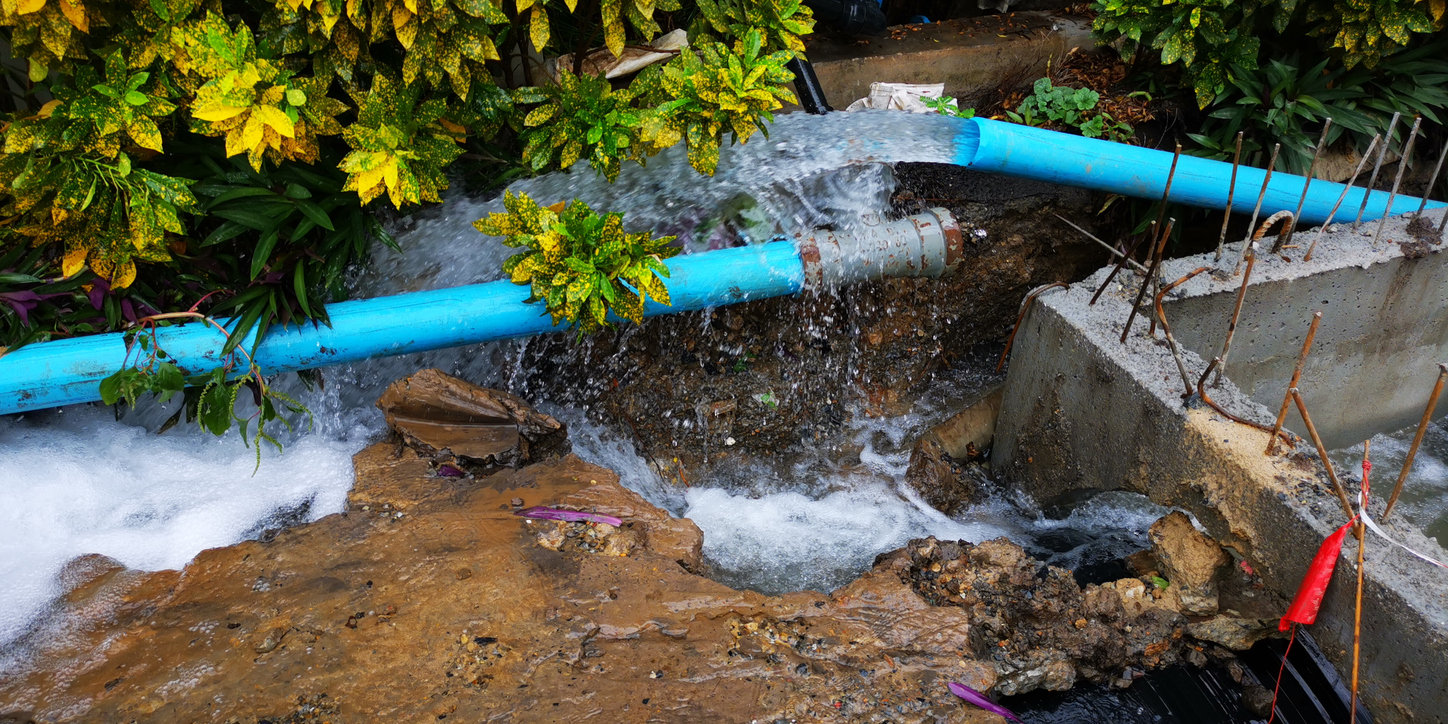 Water damage is often seen as a surface-level issue that can be resolved with drying, cleaning, and minor repairs. However, in many cases, the impact runs much deeper than what is visible. For homeowners in Birmingham, where humidity levels and soil conditions can intensify the effects of moisture, water damage can quickly evolve into a structural concern.
From a restoration and construction perspective, recognizing when water damage extends beyond cosmetic fixes is critical to protecting a property’s structural integrity. What may initially appear as minor surface damage can often signal deeper issues within walls, flooring, and foundational elements.
Signs Water Damage Has Turned Structural
Water damage often begins quietly, showing up as small stains or minor damp spots that seem easy to manage. However, when moisture penetrates deeper into a home’s framework, it begins to affect structural stability. Recognizing these early signs is critical for preventing long-term damage and avoiding costly repairs. Homeowners who understand what to look for can act before the problem escalates into a serious safety concern.
Cracks in Walls and Foundations
Cracks are one of the earliest and most visible signs that water damage has progressed beyond the surface. While small hairline cracks can occur naturally over time, larger or expanding cracks often indicate deeper structural damage. Moisture weakens the foundation and causes shifting in the underlying structure, leading to stress points in walls and floors. Diagonal cracks or those that widen over time should not be ignored, as they suggest ongoing movement caused by water damage.
Warping and Buckling of Floors
Flooring is particularly sensitive to moisture exposure. When water damage seeps into the subfloor, it causes materials to expand and lose their original shape. Wooden floors may begin to warp or cup, while laminate surfaces can bubble or separate. This type of damage signals that moisture has reached deeper layers beneath the surface. Over time, the structural integrity of the flooring system weakens, creating uneven surfaces and potential safety hazards.
Doors and Windows Misalignment
Another subtle but important sign of structural damage is the misalignment of doors and windows. When water damage affects the framework of a home, it can cause slight shifts that make openings uneven. Doors may stick, fail to close properly, or leave visible gaps. Windows might become difficult to open or appear slightly tilted. These changes often indicate that the structure is no longer stable and that water damage has begun to impact the home’s core framework.
Persistent Dampness and Mold Growth
Ongoing moisture is a strong indicator that water damage has not been fully resolved. When dampness lingers in walls, ceilings, or hidden cavities, it creates the perfect environment for mold growth. Mold not only affects air quality but also contributes to material deterioration. Wood begins to rot, drywall weakens, and insulation loses effectiveness. This continuous cycle of moisture and decay accelerates structural damage and makes repairs more complex.
Sagging Ceilings and Roof Damage
Sagging ceilings are a clear warning sign that water damage has reached a critical level. When water accumulates above the ceiling, it adds weight and weakens the supporting materials. This can be caused by roof leaks, plumbing failures, or poor drainage systems. As the damage progresses, the ceiling may begin to bow or show visible discoloration. In severe cases, this can lead to partial or complete collapse, posing a significant safety risk.
How Water Damage Impacts Birmingham Home Structures
Understanding how water damage affects your home goes beyond surface-level concerns. In Birmingham, environmental factors such as humidity and soil composition make structural damage more likely when moisture is not properly managed. When water damage persists, it begins to weaken the very systems that support your home, turning a manageable issue into a serious structural problem.
High Humidity Accelerates Material Damage
Birmingham’s consistently high humidity creates conditions where water damage lingers longer than expected. Even after visible drying, moisture can remain trapped inside walls, ceilings, and flooring. This hidden moisture leads to gradual damage in materials like wood and drywall. Wood begins to soften and lose strength, while drywall can crumble or warp. Over time, this ongoing damage reduces the durability of structural components and makes the home more vulnerable to further issues.
Soil Expansion Leads to Foundation Damage
The soil surrounding many Birmingham homes reacts significantly to moisture. When water damage results in excess water around the foundation, the soil expands and puts pressure on the structure. As conditions dry, the soil contracts, leaving gaps that cause uneven settling. This repeated cycle creates stress that leads to foundation damage, including cracks and shifts. Foundation damage is particularly serious because it affects the entire stability of the home and can lead to long-term structural concerns.
Load-Bearing Structures Face Hidden Damage
Load-bearing elements are essential for maintaining the strength of a home. When water damage reaches these components, the impact is often not immediately visible. Wooden beams may begin to rot internally, while metal supports can corrode due to prolonged moisture exposure. This type of hidden damage weakens the structure’s ability to carry weight safely. As the damage progresses, it increases the risk of structural failure, making early detection critical.
Electrical Systems and Insulation Damage
Water damage does not stop at structural materials. It also spreads into electrical systems and insulation, creating additional risks. Moisture can seep into wiring, increasing the chance of short circuits or system failure. At the same time, insulation that has absorbed water loses its effectiveness, leading to higher energy costs. This combined damage affects both safety and efficiency, making it important to address the issue thoroughly rather than treating it as a minor inconvenience.
Long-Term Structural Damage and Costs
When water damage is ignored or underestimated, it leads to compounding problems over time. Small areas of damage can expand, affecting larger sections of the home. What might begin as minor repairs can quickly turn into major restoration work. The longer the damage remains untreated, the more expensive and complex the solution becomes. Addressing damage early helps preserve structural integrity and prevents unnecessary financial strain.
Professional inspection and timely repair are key to protecting your property. Reach out to our team at Leak Pros for expert guidance and reliable solutions to manage and prevent damage effectively.
When to Act: Repair vs Replace Decisions
If a slow leak beneath a sink turns into soft flooring, or a roof leak stains a bedroom ceiling, you need clear next steps. For Birmingham homeowners, deciding whether to pursue water damage repair or full replacement affects cost, safety, and how quickly you can live comfortably again.
Assess the extent of damage early
Conduct a thorough inspection as soon as signs appear. Early evaluation helps determine whether repairs are sufficient or replacement is necessary.
Consider the age of the affected materials
Older materials that have been exposed to prolonged moisture may not regain their strength even after repairs, making replacement a better option.
Evaluate safety risks
Structural damage that affects load-bearing components should be addressed immediately. In such cases, replacement is often the safest choice.
Compare repair costs vs long-term value
Temporary fixes may seem cost-effective, but repeated repairs can add up. Investing in replacement may provide better long-term value.
Consult professionals for an accurate diagnosis
Experts can identify hidden damage and recommend the most effective solution. Their guidance ensures that the issue is fully resolved.
Final Thoughts
Water damage is not always a surface problem that can be fixed with simple drying techniques. In many cases, it penetrates deeper, affecting the structural integrity of a home. For Birmingham homeowners, factors such as humidity and soil conditions make it even more important to stay vigilant.
Recognizing the signs of structural damage early can prevent costly repairs and ensure the safety of your home. From cracks and warping to foundation movement and weakened supports, each indicator points to the need for immediate action. Taking proactive steps to contact leak pros today can save significant time, money, and stress in the future.