
Water Damage to Full Reconstruction: What It Takes
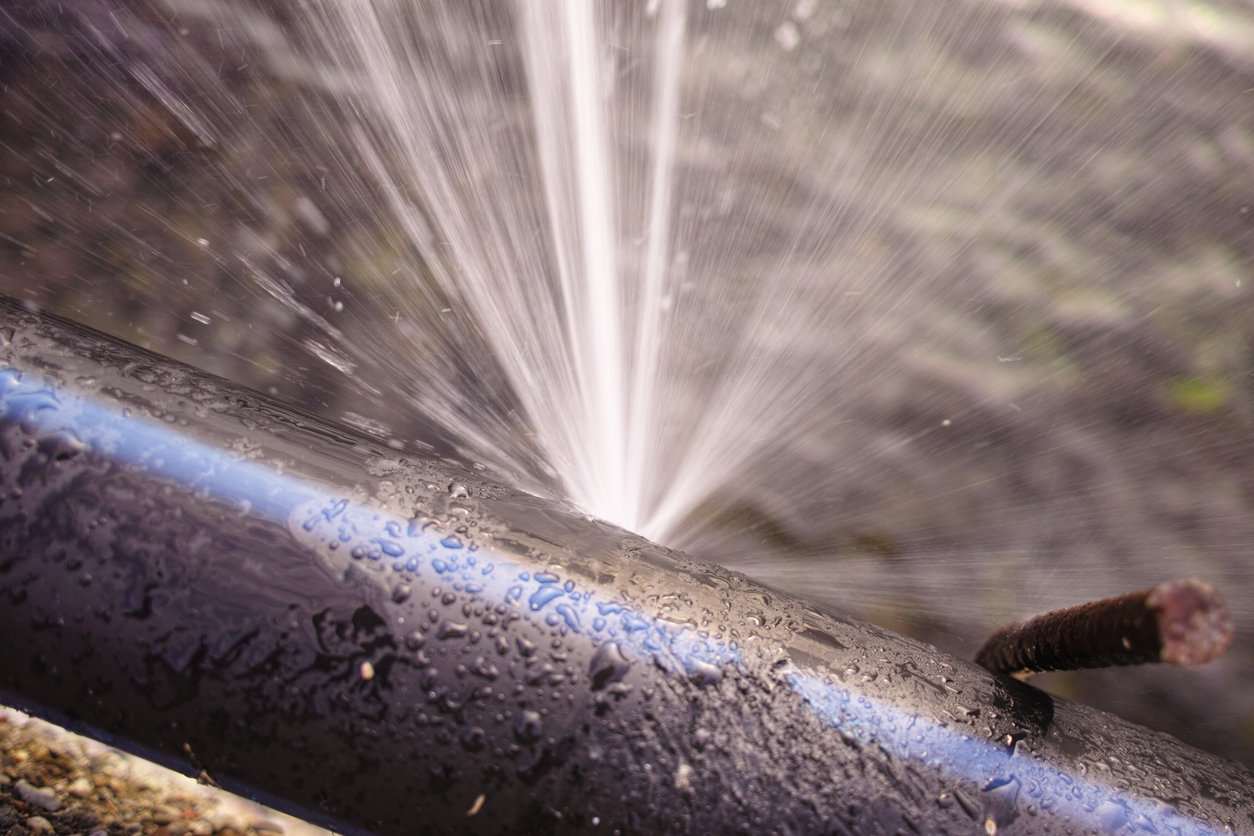 Water damage doesn't announce itself politely. One burst pipe, one roof leak left unnoticed, or one overnight flood can quietly unravel months, sometimes years of what you've built inside your home. And once the water recedes, the real restoration work begins.
This guide breaks down exactly what happens after water damage, what each stage of restoration and construction involves, why timing matters more than most people realize, and how to decide whether your situation calls for targeted repair or a complete rebuild.
How Water Damage Restoration Actually Works
Water damage restoration isn't a single job it's a sequence of interconnected phases, each one dependent on the last. Skipping or rushing any stage of the restoration doesn't save time. It creates new problems that surface weeks or months later, often at a significantly higher repair cost.
Phase 1: Damage Assessment and Moisture Mapping
Before any equipment is brought in or decisions are made, a certified water damage restoration professional performs a thorough assessment. This isn't a visual walkthrough. It involves moisture meters, thermal imaging cameras, and hygrometers to detect water that has traveled behind walls, beneath flooring, or into ceiling cavities.
The findings from this water damage assessment determine everything which materials can be salvaged, what needs to be removed, how many drying units are required, and whether structural elements have been compromised. A rushed or incomplete restoration assessment at this stage is one of the most common reasons water damage jobs fail to hold long-term.
Phase 2: Water Extraction and Structural Drying
Once the scope of the damage is clear, water extraction begins. Industrial-grade pumps and wet vacuums remove standing water, followed by air movers and dehumidifiers placed strategically throughout the affected space. This restoration phase can last anywhere from three to five days for moderate water damage, and longer when materials like hardwood flooring, thick insulation, or concrete subfloors are involved.
Drying is monitored daily using moisture readings. The goal isn't just surface dryness it's achieving dry standard levels within wall cavities, subfloor systems, and structural framing. Declaring a water damage zone dry before those readings confirm it is one of the fastest ways to invite mold growth within weeks.
Phase 3: Mold Remediation and Material Removal
If moisture was present for more than 24 to 48 hours before water damage restoration began, mold assessment becomes a required step not an optional one. Mold can colonize porous materials rapidly, and what looks like a small patch on drywall often has a much wider spread behind it.
Affected drywall, insulation, baseboards, and flooring are removed and properly disposed of. In cases where mold is present, the area is contained, air scrubbers with HEPA filtration are deployed, and surfaces are treated before any rebuilding begins. This restoration phase protects both the structure and the health of everyone living in it.
Phase 4: Sanitization, Odor Treatment, and Pre-Rebuild Preparation
Before reconstruction begins, the water damage affected area goes through a full sanitization process. This includes antimicrobial treatments on exposed framing and surfaces, deodorization to address any lingering moisture or mold-related odors, and a final round of moisture verification.
This restoration stage is often overlooked in budget remediation work, but it is the foundation on which all rebuilt materials will sit. Skipping sanitization to save time almost always results in odor problems and material failures after the rebuild is complete.
Why Delays Cost Homeowners More
There's a window of opportunity after water damage occurs where restoration intervention is fast, targeted, and relatively contained. Every hour beyond that window changes the equation and not in the homeowner's favor.
The 24-Hour Rule: Why It Defines Your Restoration Cost
Within the first 24 hours, water damage is typically classified as Category 1 clean water from a known source, affecting materials that can often be dried in place with minimal restoration work. After 24 to 48 hours, that same water damage can escalate to Category 2 or Category 3 as bacteria multiply, materials begin to deteriorate, and secondary damage spreads to unaffected areas.
The restoration cost difference between water damage addressed within 24 hours versus damage left for 72 hours or more can be significant often doubling or tripling once mold remediation, additional material removal, and extended drying cycles are factored in.
Structural Deterioration Moves Faster Than It Looks
Homeowners frequently underestimate how quickly water damage compromises structural integrity. Wood framing begins to swell and weaken within days. Drywall loses structural value almost immediately upon saturation. Subfloor systems especially those built with OSB can delaminate and buckle within 48 to 72 hours of sustained moisture exposure.
What starts as a targeted restoration can quietly cross into full reconstruction territory simply due to delayed response. A floor that could have been dried and preserved on day one may require complete replacement by day four if water damage restoration isn't engaged in time.
Insurance Windows and Documentation Requirements
Most homeowners' insurance policies contain language around "reasonable and timely action" to prevent further water damage. Delayed restoration response even when unintentional can be used to dispute or reduce claim settlements. Water damage restoration companies that respond quickly and document moisture readings, affected areas, and material conditions from the start give homeowners the strongest position when working with insurance adjusters.
Delays in professional restoration engagement also reduce the quality of documentation available, which directly impacts claim outcomes in complex or high-value water damage losses.
Hidden Restoration Costs That Surface Later
The financial impact of delayed water damage restoration rarely stops at the initial repair bill. Secondary restoration costs that homeowners often don't anticipate include:
Air quality testing required after mold is discovered during renovation work months after the original water damage event
Subfloor replacement when surface flooring is re-installed over moisture that was never properly addressed during the initial restoration
HVAC cleaning and inspection when mold spores are pulled into ductwork from an inadequately remediated water damage zone
Structural engineer assessments when framing damage is identified during a future renovation or home sale inspection following undocumented water damage
Reduced property value when water damage history surfaces without documented, professional restoration work on record
Every hour after water damage occurs is a cost you haven't seen yet. Leak Pros restoration team responds fast, documents everything, and stops the damage before it compounds. Don't let a delay turn a repair into a full rebuild.
When to Repair vs. Fully Reconstruct
Not every water damage situation ends in full reconstruction but not every homeowner understands where that line actually sits. The decision comes down to four factors: the extent of structural involvement, material saturation levels, the presence of mold, and the age and condition of the existing materials.
Restoration Repair Is the Right Path When:
Water damage is isolated to a defined area with clear boundaries
Structural framing shows no warping, rot, or delamination
Moisture readings confirm the water damage zone did not spread into adjacent walls or floor systems
Mold assessment returns negative or minimal findings confined to surface materials
The affected materials flooring, drywall, insulation are relatively recent and worth preserving through targeted restoration
Full Reconstruction Is Necessary When:
Water damage has penetrated load-bearing walls, floor joists, or ceiling framing
Multiple rooms or levels are affected, making isolated restoration repair impractical
Water damage restoration has required the removal of significant structural material
The home has pre-existing vulnerabilities aging materials, prior water damage events that make partial repair structurally insufficient
The source of water damage was a sewage backup or contaminated flood, requiring full material replacement in all affected zones
Full reconstruction in these water damage cases isn't overcorrection; it's the only way to ensure the rebuilt structure is safe, code-compliant, and built to last.
Wrapping Up
Water damage restoration is not a single service call. It is a structured, phase-driven process that requires the right sequence, the right equipment, and decisions made at the right time. From the initial moisture assessment through drying, remediation, sanitization, and where necessary full reconstruction, every stage of water damage restoration exists for a reason.
Contact Leak Pros today for an immediate water damage assessment before the clock costs you more.