
Birmingham 24/7 Emergency Water Removal: First Actions That Can Minimize Damage
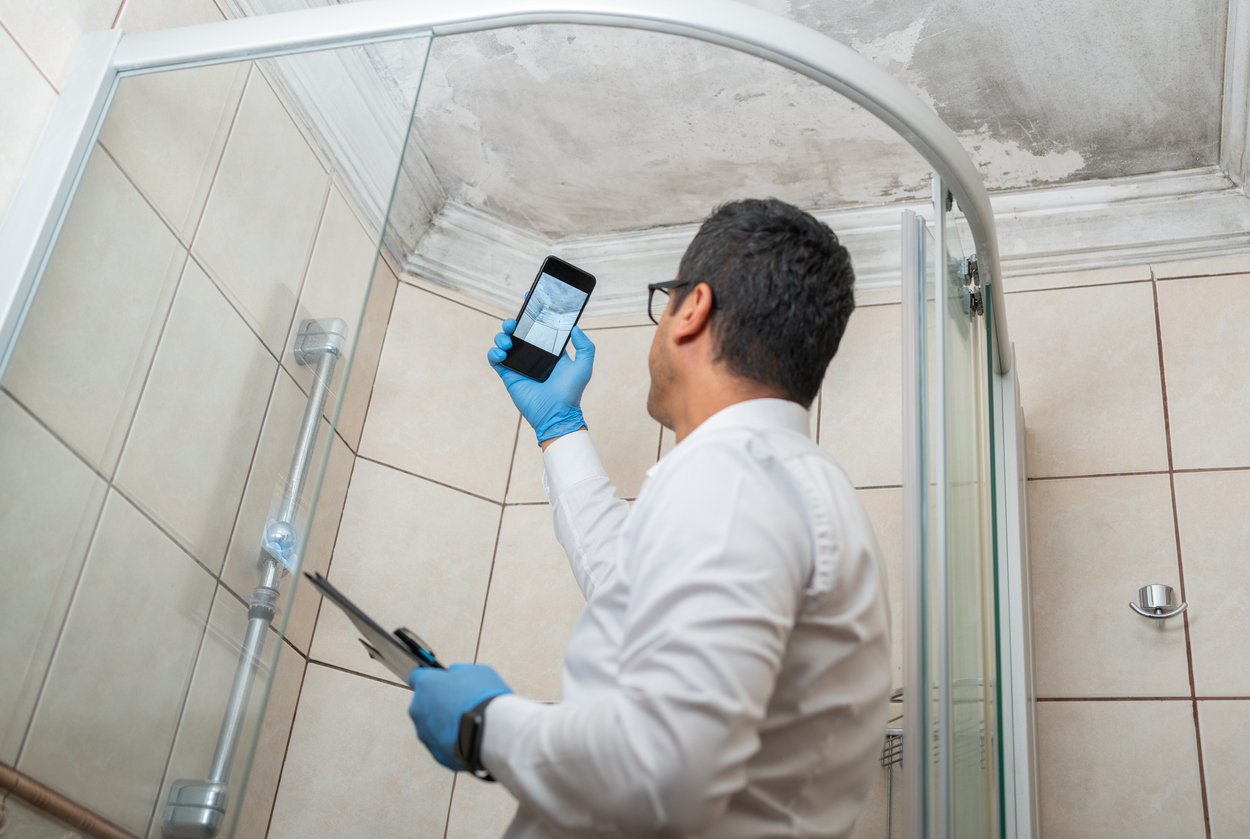 Water damage can strike at any moment, leaving you feeling overwhelmed and unsure of what to do next. In Birmingham, having access to 24/7 emergency water removal services is crucial. Knowing how to act quickly can save your property from extensive harm. In this blog, we’ll explore essential actions you should take before help arrives, so you can protect your home and belongings during a water emergency.
Understanding the Urgency of Water Damage Emergencies in Birmingham
Water damage emergencies can strike at any moment, leaving homeowners and property managers scrambling for solutions. In Birmingham, AL, where heavy rains and occasional flooding can lead to significant water-related issues, understanding the urgency of these situations is crucial. When water infiltrates your property, every second counts.
Here’s why you should act fast and how Leak Pros can help you navigate these emergencies effectively.
The Nature of Water Damage
Water damage can occur due to various reasons, including severe weather, plumbing failures, or even appliance malfunctions. Regardless of the cause, the consequences can be devastating if not addressed promptly. Water can seep into walls, floors, and ceilings, leading to structural damage, mold growth, and compromised air quality.
Why Immediate Action is Essential
1. Preventing Structural Damage: Water can weaken the structural integrity of your home. The longer water sits, the more extensive the damage becomes, leading to costly repairs.
2. Mold Growth: Mold can start to develop within 24 to 48 hours of water exposure. Quick action can prevent mold from taking hold and spreading throughout your home
3. Health Risks: Standing water can harbor harmful bacteria and pathogens. Exposure to contaminated water can lead to health issues, especially for vulnerable individuals, including children and the elderly.
4. Higher Repair Costs: The longer you wait to address water damage, the more expensive the repairs can become.
Identifying Water Damage
Recognizing the signs of water damage is the first step toward addressing it. Look for:
Visible Water: Puddles or leaks are obvious indicators that something is wrong.
Water Stains: Discoloration on walls or ceilings can indicate hidden leaks.
Musty Odors: A damp smell often accompanies mold growth, signaling that water damage has occurred.
Peeling Paint or Wallpaper: This can indicate moisture trapped behind the surface.
If you notice any of these signs, it’s critical to act quickly and contact a professional.
Preventative Measures for the Future
While emergencies can happen, there are steps you can take to minimize the risk of water damage:
Regular Maintenance: Inspect your plumbing, roof, and gutters regularly. Look for signs of wear and tear and address any issues promptly.
Install Sump Pumps: If your property is prone to flooding, consider installing sump pumps to help divert water away from your home.
Water Alarms: Invest in water alarms that alert you to leaks or flooding in real-time, allowing for quicker response times.
Educate Your Family: Make sure everyone in your household knows what to do in the event of a water emergency. Quick action can make all the difference.
Immediate Safety Steps to Take Before Cleanup Begins in Birmingham
When dealing with water damage in Birmingham, AL, safety should always be your first priority. Whether you're facing a minor leak or significant flooding, the situation can pose various risks. Here's a comprehensive guide to help you navigate the immediate safety steps you should take before any cleanup begins.
Assess the Situation
Before jumping into action, take a moment to assess the extent of the water damage. Look for visible signs of flooding, such as standing water, wet walls, or sagging ceilings. If the water is coming from a broken pipe, try to locate the source and shut off the water supply if it’s safe to do so. Understanding the situation will help you plan your next steps effectively.
Ensure Electrical Safety
One of the most critical safety concerns during water damage is electricity. Water is a conductor, and if electricity is present, it can create a dangerous situation:
Turn Off Power: If you can do so safely, turn off the electricity at the main circuit breaker. If water is near electrical outlets or appliances, do not attempt to turn off the power while standing in water.
Avoid Electrical Appliances: Do not use any electrical devices or appliances until you are sure the area is safe and dry. This includes vacuums, fans, and heaters.
Wear Protective Gear
When dealing with water damage, especially if the water is contaminated, wearing the right protective gear is essential:
Gloves: Use rubber or waterproof gloves to protect your hands from contaminants.
Boots: Waterproof boots will keep your feet dry and safe from hazardous materials.
Masks: A mask can help protect you from mold spores and other airborne particles that may be present in the damp environment.
Ventilate the Area
If it’s safe to do so, open windows and doors to allow fresh air to circulate. This will help reduce humidity levels and prevent mold growth, which can start within 24 to 48 hours after water damage occurs. If the weather permits, use fans to increase airflow. However, avoid using electrical fans if there’s a risk of electric shock.
Identify Potential Hazards
Look for any potential hazards in the area:
Structural Damage: Check for sagging ceilings or walls, which could indicate structural issues. If you notice any instability, it's best to evacuate the area and contact a professional.
Contaminated Water: If the water is coming from a sewage backup or floodwater, it may be contaminated. Avoid direct contact with the water and treat it as hazardous.
Prepare for Cleanup
Once you've taken the necessary safety precautions, you can start preparing for the cleanup process:
- Gather Supplies: Collect the necessary cleaning supplies, including buckets, mops, and disinfectants. If you have a wet/dry vacuum, this can be extremely helpful for removing standing water.
- Create a Plan: Outline a step-by-step plan for the cleanup process. Consider which areas need immediate attention and prioritize those first.
Taking immediate safety steps before cleanup begins is crucial in managing water damage effectively. By assessing the situation, ensuring electrical safety, wearing protective gear, and contacting professionals like Leak Pros, you can protect yourself and your property. If you find yourself overwhelmed, don’t hesitate to reach out to our team at Leak Pros for expert assistance.
How to Stop the Source of Water Damage Quickly in Birmingham?
Water damage can strike unexpectedly, wreaking havoc on your home or business. In Birmingham, AL, where heavy rains and humidity are common, knowing how to quickly address the source of water damage is crucial. Here’s a comprehensive guide to help you take immediate action and prevent further issues.
Identify the Source of Water Damage
The first step in stopping water damage is to identify its source. This could be a burst pipe, a leaky roof, or even flooding from heavy rainfall. Here are some common sources of water damage to look out for:
Plumbing Issues: Check for leaks under sinks, around toilets, and in your basement. Look for signs of water pooling or discoloration on walls.
Roof Leaks: Inspect your roof for missing shingles, cracks, or damage, especially after a storm. Water can seep through these areas and cause significant damage.
Foundation Cracks: Water can enter through cracks in your foundation. Examine your basement or crawl space for signs of moisture or standing water.
Appliance Failures: Washing machines, dishwashers, and water heaters can leak if they malfunction. Regularly check hoses and connections.
Act Quickly
Once you've identified the source, it's essential to act quickly. Here’s what you can do:
Shut Off the Water Supply: If the source is a plumbing issue, turn off the main water supply to prevent further flooding. This is often located near your water meter.
Remove Standing Water: Use a wet/dry vacuum or a pump to remove standing water. If the water level is too high, consider calling professionals for help.
Dry the Area: After removing the water, use fans, dehumidifiers, or open windows to dry the affected area.
Inspect for Mold: Keep an eye out for any signs of mold growth.
Final Thoughts
When facing a water emergency, every moment counts. While you wait for Leak Pros to arrive, remember to prioritize safety by turning off the electricity and avoiding contact with standing water. If possible, try to contain the water by using towels or buckets. Remember, Leak Pros is just a call away, providing 24/7 emergency water removal services in Birmingham. We're here to help you restore your home quickly and efficiently, so you can get back to your normal life.